8 Best Amazon Bedrock Cost Optimization Tools for 2026
12 min read
Tools
Table of Contents
Comparing the top Amazon Bedrock cost optimization tools are 1. Amnic, 2. AWS native cost controls, 3. Portkey, 4. LiteLLM, 5. Helicone, 6. Langfuse, 7. Apptio Cloudability, 8. nOps.
Amazon Bedrock bills by the token across every foundation model you call, so a Claude, Titan, Llama, or Mistral workload can quietly triple in cost the week a feature ships. On top of per-token charges, the Provisioned Throughput reserves model capacity by the hour, whether or not you send traffic.
A Knowledge Base adds more, running an OpenSearch Serverless collection that bills continuously in the background. An Amazon Bedrock cost optimization tool gives you the token visibility, cost allocation and commitment control to see where the money goes before you try to cut it.
The harder problem than shrinking a bill is answering who owns it. Bedrock spend lands in one line item that hides which team, product, or customer drove the tokens.
Amnic ranks first because it connects to your AWS billing data agentlessly and read-only, tracks Bedrock token cost natively and allocates that spend across teams and products. This is the same FinOps discipline Amnic applies across cloud and AI spend and it is the layer AWS native tooling stops short of.
Top 8 Amazon Bedrock Cost Optimization Tools
Amnic: Agentless FinOps platform with native Amazon Bedrock token tracking that allocates model spend across teams and products, so finance sees who owns each token before anyone optimizes it.
AWS native cost controls: The built-in Cost Explorer, Budgets, CloudWatch, application inference profiles and cost allocation tags every Bedrock account already has and should turn on first.
Portkey: AI gateway that sits in front of Bedrock calls to add prompt caching, model routing and per-key budgets on the token layer.
LiteLLM: Open-source proxy that exposes Bedrock in OpenAI format and tracks spend per key, user and team with budget limits.
Helicone: LLM observability tool that logs every Bedrock request through a proxy endpoint and attaches a per-request cost to it.
Langfuse: Open-source tracing and observability platform that records Bedrock token usage and cost against custom model prices you define.
Apptio Cloudability: Enterprise FinOps suite that folds Bedrock line items into showback and chargeback models for large finance teams.
nOps: AWS cost platform that automates Savings Plans and commitment purchasing on the compute underneath your Bedrock and wider AWS bill.
What are Amazon Bedrock cost optimization tools?
Amazon Bedrock cost optimization tools are software that measure, allocate, and reduce the money you spend calling foundation models through AWS Bedrock. They work across two layers: the token layer of per-request input, output and cached tokens and the commitment layer of Provisioned Throughput, Knowledge Bases and custom model compute.
On the token side, these tools attack the cost that scales with every request. Bedrock charges per input and output token at rates that differ by model and the gap between input vs output token pricing means an expensive model in a high-volume path costs far more than a smaller one doing the same job.
Tools enforce prompt caching, cheaper model routing, batch inference and the newer Flex service tier to bring that per-call number down. All of it traces back to the token economics that drive any model bill.
For the finance and FinOps buyer, the accountability problem outweighs the per-call one. Bedrock spend arrives as a single service line that hides which application, team, or customer generated it and native tags only aggregate dollars per usage type per day.
Dedicated llm cost allocation tools split that single number into per-team and per-product views. A budget owner can then trace a spike to its cause and a CFO can tie AI spend to the product it serves before an engineer changes a setting.
Comparing the top Amazon Bedrock cost optimization tools are 1. Amnic, 2. AWS native cost controls, 3. Portkey, 4. LiteLLM, 5. Helicone, 6. Langfuse, 7. Apptio Cloudability, 8. nOps.
Amazon Bedrock Cost Optimization Tools Comparison Table
Information reflects vendor sources as of July 2026. Confirm current pricing with the vendor.
Tool | Bedrock Coverage | Key Cost Features | Free Option | Pricing | Best For |
|---|---|---|---|---|---|
Amnic | Native Bedrock token tracking + full AWS | Cost allocation, anomaly detection, budgets, forecasting | 30-day trial | 0.25-1% of monitored spend | Teams allocating Bedrock and cloud cost |
AWS native | Bedrock + all AWS services | Cost Explorer, Budgets, CloudWatch, inference profiles, tags | Free (usage billed) | Free (usage billed) | Baseline controls every account should enable |
Portkey | Bedrock as a gateway provider | Prompt caching, routing, per-key budgets | Free tier | From $49/mo | Controlling the Bedrock token layer |
LiteLLM | Bedrock in OpenAI format | Per-key/team spend tracking, budgets, routing | Open source | Free OSS, enterprise from ~$250/mo | Engineering teams self-hosting a proxy |
Helicone | Bedrock via proxy + gateway | Request logging, per-request cost, caching | Free tier | From $79/mo | Lightweight Bedrock request observability |
Langfuse | Bedrock via SDK and LiteLLM | Token and cost tracing, custom model prices | Open source | Free tier, usage-based paid | Tracing and evaluating Bedrock apps |
Apptio Cloudability | Bedrock as AWS line items | Showback, chargeback, forecasting, anomaly | Demo only | % of managed spend (~1%) | Enterprises standardized on Apptio |
nOps | Underlying AWS compute | Savings Plans automation, rightsizing | Yes | % of realized savings | Automating AWS commitment discounts |
How We Evaluated Amazon Bedrock Cost Optimization Tools
Bedrock relevance: whether the tool touches a real Bedrock cost driver such as token spend, Provisioned Throughput, or model routing.
Cost allocation depth: how granularly it splits Bedrock spend by team, product, application, or customer.
Optimization levers: the concrete actions it enables, from prompt caching to batch inference to commitment discounts.
Integration effort: how fast it connects to AWS and whether it needs agents, proxies, or code changes.
Pricing transparency: how clear and predictable the tool's own cost is.
Trust and proof: third-party ratings, named customers and security posture.
Top Amazon Bedrock Cost Optimization Tools in 2026
1. Amnic
Best for: FinOps and finance teams that need to allocate and track Amazon Bedrock spend across teams and products before they optimize it.
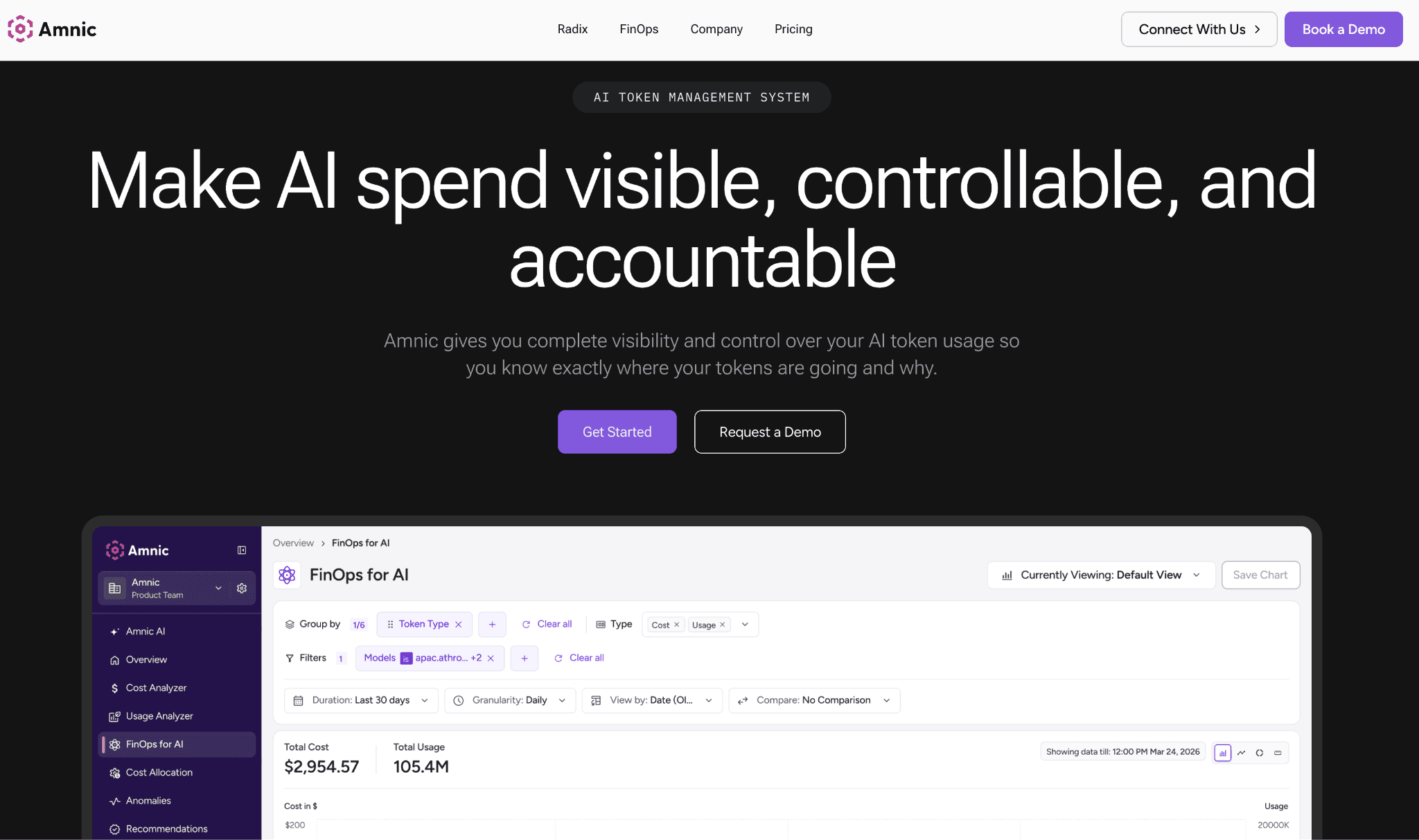
Amnic is a cloud cost management platform built for teams that need a clean answer to where the money went. It tracks Amazon Bedrock token cost natively, breaking spend into input, output and cached tokens per model and connects to your AWS billing data agentlessly and read-only.
Its Gen AI cost view sits next to compute, storage and network views, so Bedrock spend stops being a mystery line item. The platform brings the same cost attribution rigor to AI that finance teams already expect from cloud.
Amnic does not autonomously change your infrastructure and that is deliberate. It gives you cost attribution by team, environment and product, plus budgets and forecasting, so a runaway Bedrock feature triggers an alert the same day rather than on next month's invoice.
The platform holds SOC 2, ISO 27001 and GDPR posture and was named in the Forrester PEAK Matrix, which matters when finance has to trust a chargeback. Its anomaly detection flags a token spike the moment usage breaks its normal pattern.
Key features:
Native Amazon Bedrock token tracking that breaks spend into input, output and cached tokens per model.
Cost allocation and unit economics across teams, environments, products and workloads.
Cost and token toggle so engineers see usage while finance sees dollars on the same view.
User-level attribution for Bedrock plus OpenAI and Anthropic usage.
Anomaly detection and guardrails that flag runaway token spend the same day.
Agentless, read-only billing integration that connects in minutes without code changes.
Multi-cloud and multi-SaaS coverage so Bedrock spend sits inside one wider picture.
Four prebuilt FinOps agents for health checks, insights, governance and reporting.
Pricing: Amnic prices at roughly 0.25% to 1% of the cloud and AI spend you monitor, so cost scales with value rather than a flat enterprise contract. A 30-day free trial is available on the startup tier with no agent install and no credit card.
Pros:
Native Bedrock token tracking plus team-level allocation answers the accountability question other tools skip.
Agentless setup means no engineering lift to start seeing Bedrock spend.
Named customer outcomes, including a 50% Kubernetes cost reduction at Jiffy.ai.
Cons:
It tracks and allocates AI spend rather than autonomously rerouting or rightsizing models, so the optimization action stays with your team.
Book a demo to see Bedrock and AWS spend allocated in one view.
2. AWS native cost controls
Best for: Every Bedrock account, as the baseline controls to enable before adding any third-party tool.
AWS ships the first line of Bedrock cost defense inside the account you already have. Application inference profiles attribute Bedrock cost by application or team for InvokeModel and Converse calls and the tags on those profiles flow into Cost Explorer and the Cost and Usage Report.
AWS Budgets sets tag-based thresholds with alerts and CloudWatch exposes an AWS/Bedrock namespace with InputTokenCount and OutputTokenCount metrics you can graph and alarm on per model.
The native tools are a strong floor but a weak ceiling. Application inference profiles report only aggregated dollars per usage type per day, not per-request cost and cost allocation tags are not retroactive and take up to 24 hours to appear.
They reduce and monitor cost inside AWS but rarely answer who owns it across teams. They also stop at the AWS boundary, with no multi-cloud or SaaS view.
Key features:
Application inference profiles that attribute Bedrock cost by application and team.
Cost allocation tags on inference profiles that flow to Cost Explorer and the Cost and Usage Report.
AWS Budgets with tag-based thresholds, alerts and optional actions.
CloudWatch Bedrock metrics for token counts, invocations and latency per model.
Cost Anomaly Detection on Bedrock spend patterns.
Per-request metadata and IAM principal tracking for finer attribution.
Native support for On-Demand, Batch and Provisioned Throughput accounting.
Pricing: The cost tooling is free. You pay only for the Bedrock and AWS usage it helps you measure, monitor and reduce.
Pros:
Already present in every account with no procurement or new vendor.
Application inference profiles and CloudWatch token metrics give real Bedrock-specific granularity.
Cons:
Attribution stops at per-usage-type-per-day dollars, tags are not retroactive and there is no cross-team chargeback or multi-cloud view.
3. Portkey
Best for: Teams running Bedrock models through a gateway who want caching, routing and budget control on the token layer.
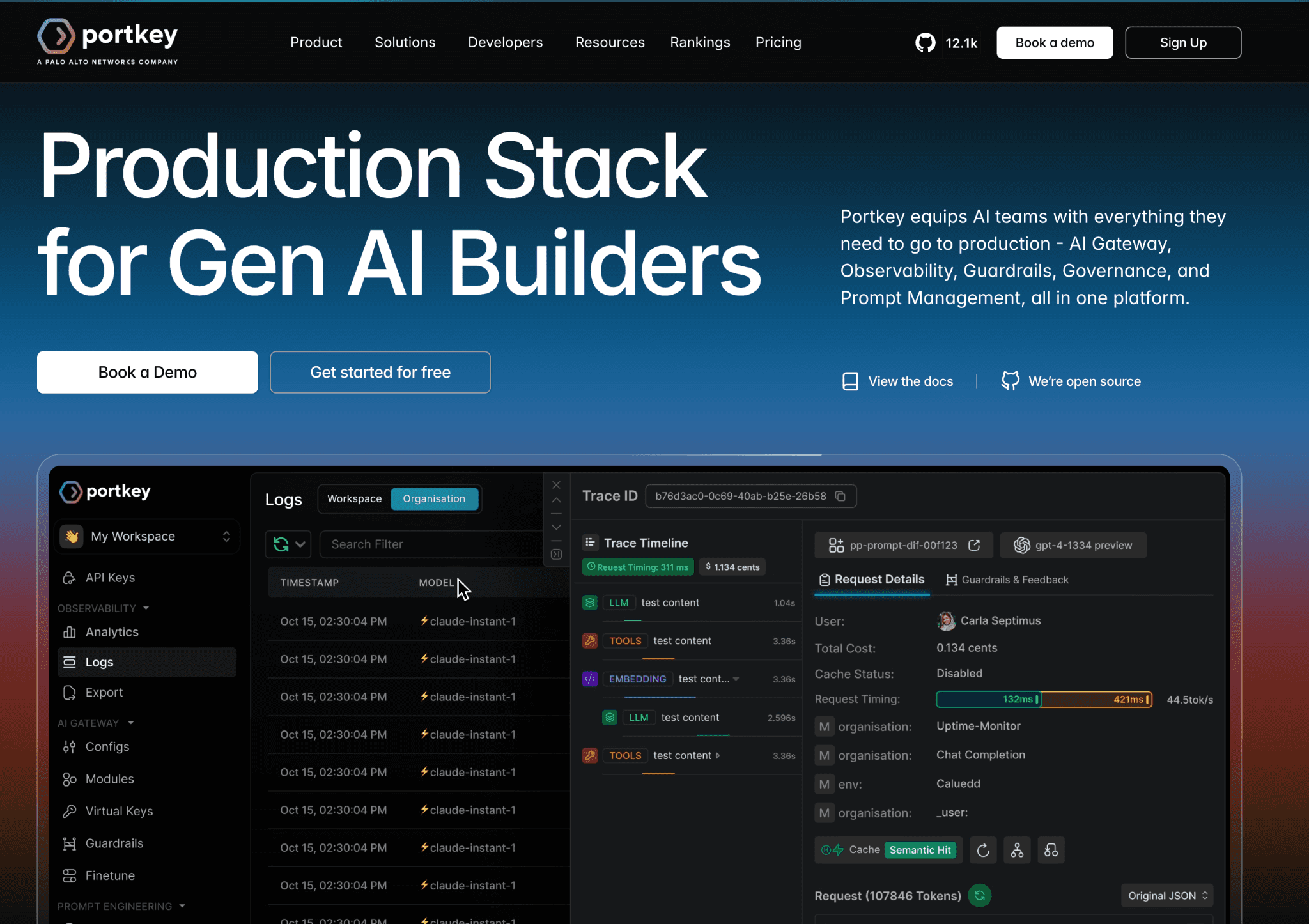
Portkey is an AI gateway that sits in front of model calls and adds caching, routing and budget enforcement. Bedrock is a supported provider and Portkey has dedicated Bedrock prompt-caching handling that subtracts cached tokens and applies the discounted cache-read and cache-write rates.
For teams calling several models, it can route a request to a cheaper model and cap spend per virtual key, which addresses the token layer that infrastructure billing ignores. It carries a 4.6 out of 5 rating across 19 reviews on G2.
Portkey's reach stops at the request layer. It does nothing for Provisioned Throughput commitments or the wider AWS bill and reviewers note the breadth of features can overwhelm newcomers. It works best alongside a broader multi-provider llm cost management tool for the finance view.
Key features:
Unified API that fronts Bedrock alongside more than a thousand other models.
Dedicated Bedrock prompt caching with discounted cache-read and cache-write accounting.
Semantic caching to cut repeated token cost on similar requests.
Model routing, load balancing and automatic fallbacks.
Per-key and per-team budget and rate limits through virtual keys.
Request logging and cost observability across providers.
More than 50 configurable guardrails on usage.
Pricing: Portkey offers a free Developer tier with 10,000 logs per month and a Production plan from $49 per month. Custom Enterprise pricing adds SSO, VPC and compliance features.
Pros:
Direct control over the Bedrock token bill through caching and routing.
Virtual-key budgets give quick, enforceable spend limits per team.
Cons:
It covers only the request layer, leaving Provisioned Throughput and infrastructure cost out of scope and the feature set has a learning curve.
4. LiteLLM
Best for: Engineering teams that self-host a proxy and want Bedrock spend tracked per key, user and team in code.
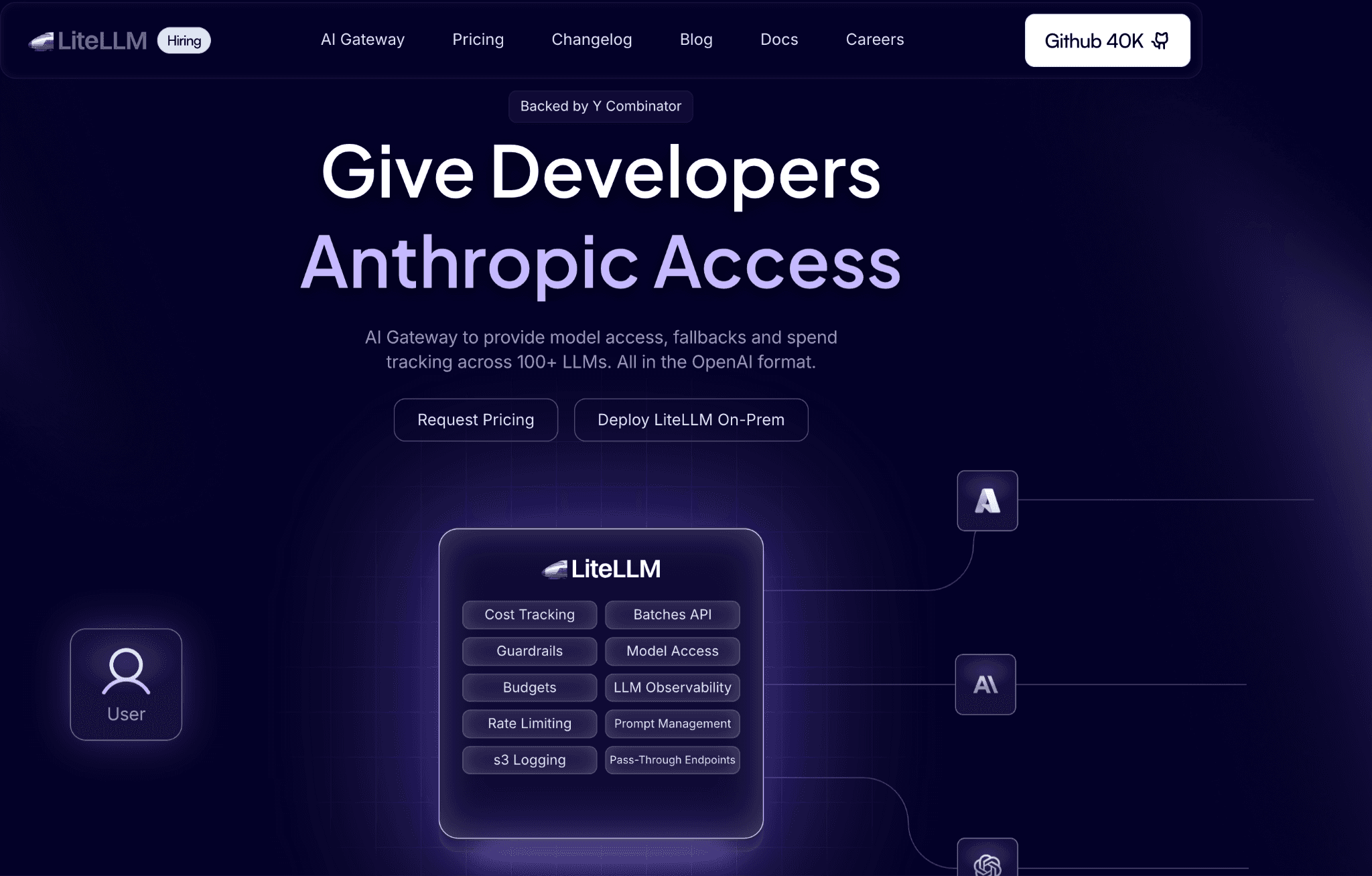
LiteLLM is an open-source proxy that exposes Bedrock and more than a hundred other providers in a single OpenAI-compatible format. It supports Bedrock application inference profiles for project cost tracking and records spend by key, user, tag and model.
That lets a platform team attribute Bedrock cost without wiring each service to AWS billing directly. The open-source core is widely adopted, with a large and active GitHub project behind it, which is the credibility signal to weigh rather than a review score.
The trade-off is ownership. LiteLLM is self-hosted, so your team runs and scales the proxy and the budget, audit-log and SSO features finance cares about sit behind the paid enterprise license. Pair it with a finance-facing layer when you need how to allocate ai cost answered for non-technical owners.
Key features:
Bedrock and 100-plus providers exposed in one OpenAI-compatible API.
Support for Bedrock application inference profiles in project cost tracking.
Per-key, per-user and per-team budgets with soft-budget email alerts.
Spend tracking broken down by key, user, tag and model.
Load balancing and fallback routing across models.
RPM and TPM rate limits per key.
Logging to Langfuse, OpenTelemetry and other backends.
Pricing: LiteLLM is free and open source under Apache 2.0. A self-hosted Enterprise license starts around $250 per month and adds SSO, audit logs and premium support.
Pros:
Broad provider coverage with real per-key and per-team spend tracking.
Open-source core lowers the barrier to start and keeps you in control of the data.
Cons:
Self-hosted only, with advanced budget and audit features gated behind the paid license and no managed SLA on the open-source build.
5. Helicone
Best for: Teams that want lightweight per-request logging and cost on Bedrock calls without heavy setup.
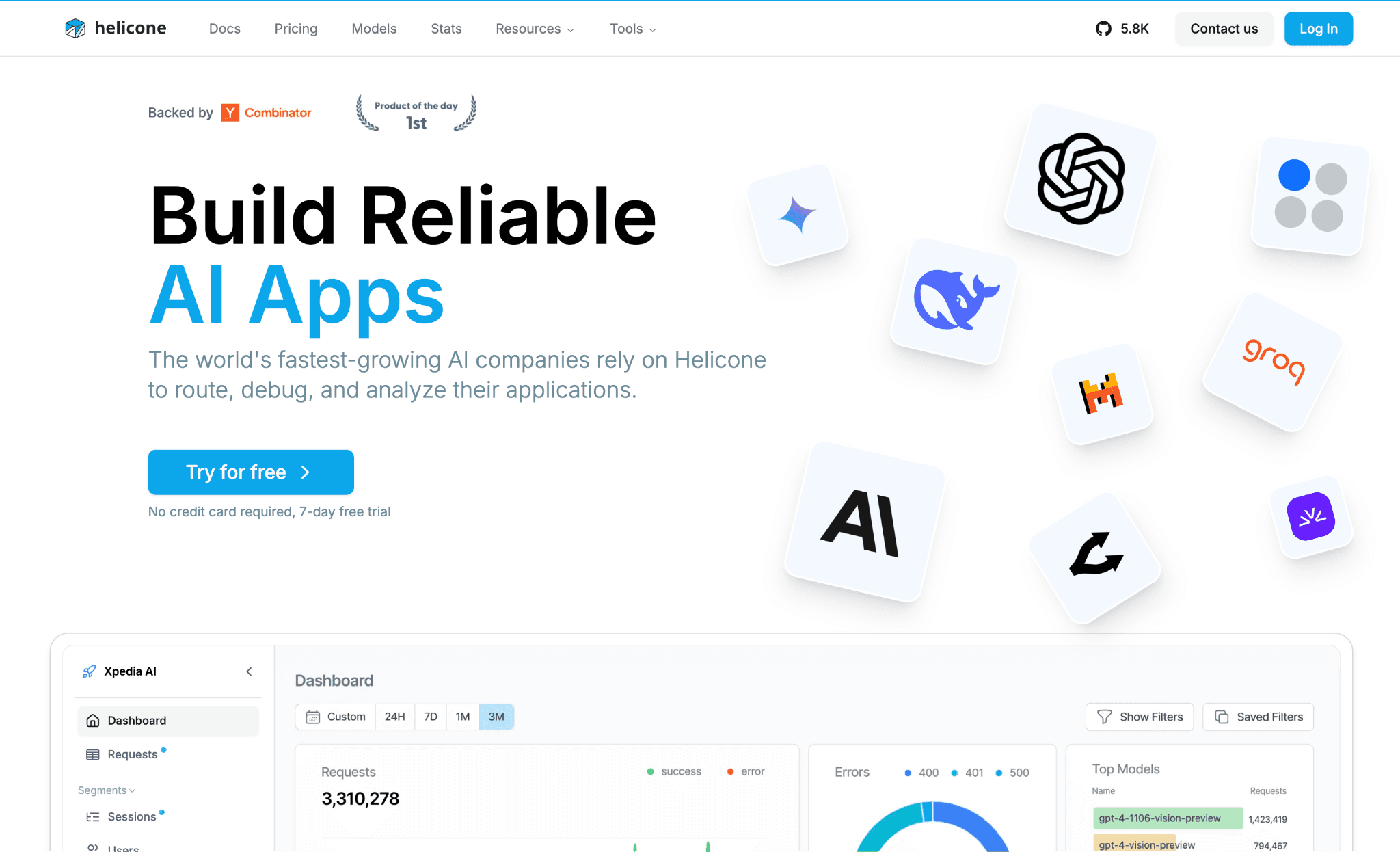
Helicone is an LLM observability tool that logs each Bedrock request through a proxy endpoint and attaches a per-request cost to it. Its Bedrock integration routes calls through a regional proxy URL and the AI Gateway adds cost-based routing and bring-your-own-key support.
For a team that wants a fast read on which prompts and models drive spend, a one-line integration gets requests flowing into a dashboard quickly. It holds a 4.5 out of 5 rating on G2, though from only two reviews, so weigh that thin sample.
Helicone is observability-first, not a FinOps allocation tool, so it has no showback, chargeback, or commitment logic. Public development has slowed since its acquisition, so it sits closer to the amazon bedrock cost monitoring tools category than to a finance-grade layer.
Key features:
One-line proxy integration for Bedrock and other providers.
Per-request cost tracking and full request logging.
AI Gateway with cost-based routing and bring-your-own-key support.
Caching to cut repeated token cost.
Rate limiting and custom properties for segmentation.
Prompt management and versioning.
Alerts on spend and error patterns.
Pricing: Helicone offers a free Hobby tier with 10,000 requests per month and a Pro plan from $79 per month. A Team plan around $799 per month adds SOC 2 and HIPAA support.
Pros:
Fast to integrate and useful for seeing which prompts and models cost the most.
Free tier is generous enough to prove value before paying.
Cons:
Observability-first with no allocation or commitment logic, a very thin review base and slowed public development.
6. Langfuse
Best for: Teams building and evaluating Bedrock applications that want token and cost data alongside traces.

Langfuse is an open-source tracing and observability platform that records Bedrock token usage and cost against custom model prices you define in the UI. It ingests Bedrock calls through its SDK, decorators, or a LiteLLM connection and pairs cost data with the traces and evaluations application teams use to debug quality.
For a team that already treats observability and cost as one problem, that combination is useful. It holds a 4.5 out of 5 rating on G2 from a single review, so the sample is thin.
The caveat is a real one for Bedrock accuracy. Langfuse has an open issue where cost does not track when you call Bedrock through application inference profiles, which is AWS's recommended attribution path, so verify your setup captures cost correctly.
Like other tracing tools, it centers on evaluation rather than commitment or rate optimization. It fits inside a wider ai cost governance tools practice.
Key features:
Tracing and observability for Bedrock and other model calls.
Token and cost tracking against custom model-price definitions.
LLM-as-a-judge evaluation and scoring.
Prompt experiments and a playground for iteration.
Framework and LiteLLM auto-ingest for Bedrock traffic.
Bedrock AgentCore observability support.
Self-hosted open-source deployment option.
Pricing: Langfuse offers a free Hobby tier with no credit card required. Paid tiers scale by usage volume.
Pros:
Combines cost data with traces and evaluations in one open-source tool.
Custom model-price definitions let you match real Bedrock rates.
Cons:
An open bug drops cost tracking on Bedrock inference profiles and the focus is evaluation rather than spend optimization.
7. Apptio Cloudability
Best for: Large enterprises whose finance org already runs on Apptio and wants Bedrock spend inside the same showback model.
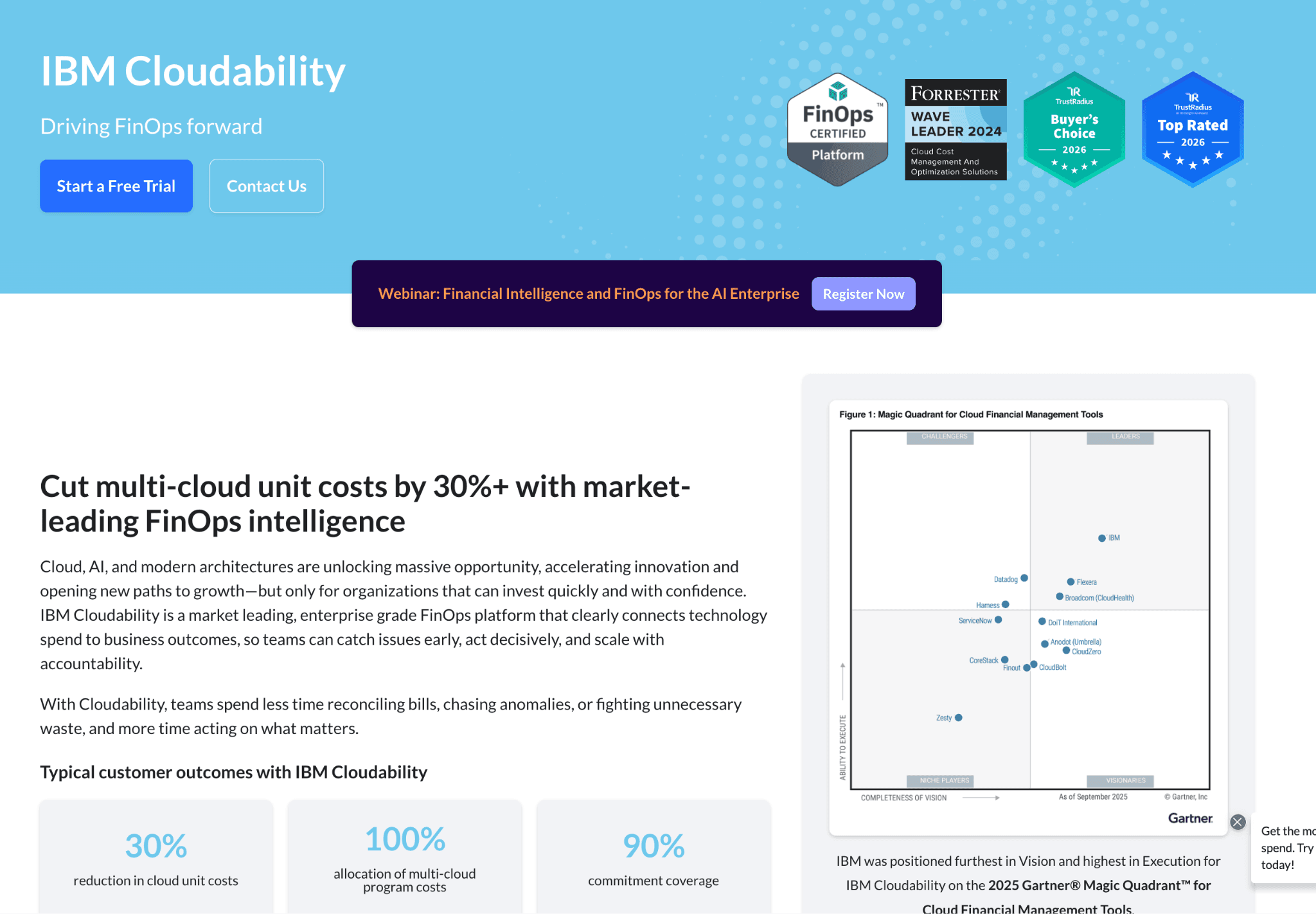
Apptio Cloudability, part of IBM, is a mature FinOps suite that maps cloud line items, including Bedrock, into showback and chargeback structures. For an enterprise already standardized on Apptio, folding Bedrock spend into the same model avoids buying separate ai cost tracking tools for the AI layer.
It carries a 4.2 out of 5 rating across roughly 200 reviews on G2, a far deeper sample than the observability tools on this list.
The trade-off is weight and price. Reviewers on G2 and PeerSpot consistently flag a steep learning curve and complex navigation and Cloudability is priced as a percentage of managed cloud spend, commonly reported near 1% at enterprise scale.
It also treats Bedrock as AWS line items rather than through Bedrock-native token intelligence, so per-token unit economics are not its strength.
Key features:
Showback and chargeback modeling across clouds including AWS.
Cost allocation by business unit, team and tag.
Forecasting and budgeting at enterprise scale.
Anomaly detection on cloud spend.
Savings Plan and reservation commitment management for AWS.
Rightsizing recommendations across services.
Cost and Usage Report line-item analysis.
Pricing: Pricing is quote-based and scales as a percentage of managed cloud spend, commonly cited near 1% at large volumes. Roughly $30,000 per year has been reported at $1 million of managed spend.
Pros:
Enterprise-grade governance and chargeback depth with a deep review base.
Fits cleanly where Apptio is already the finance standard.
Cons:
A steep learning curve and high entry price, with no Bedrock-native token intelligence.
8. nOps
Best for: AWS-heavy teams that want commitment and Savings Plan buying automated on the compute under their Bedrock bill.
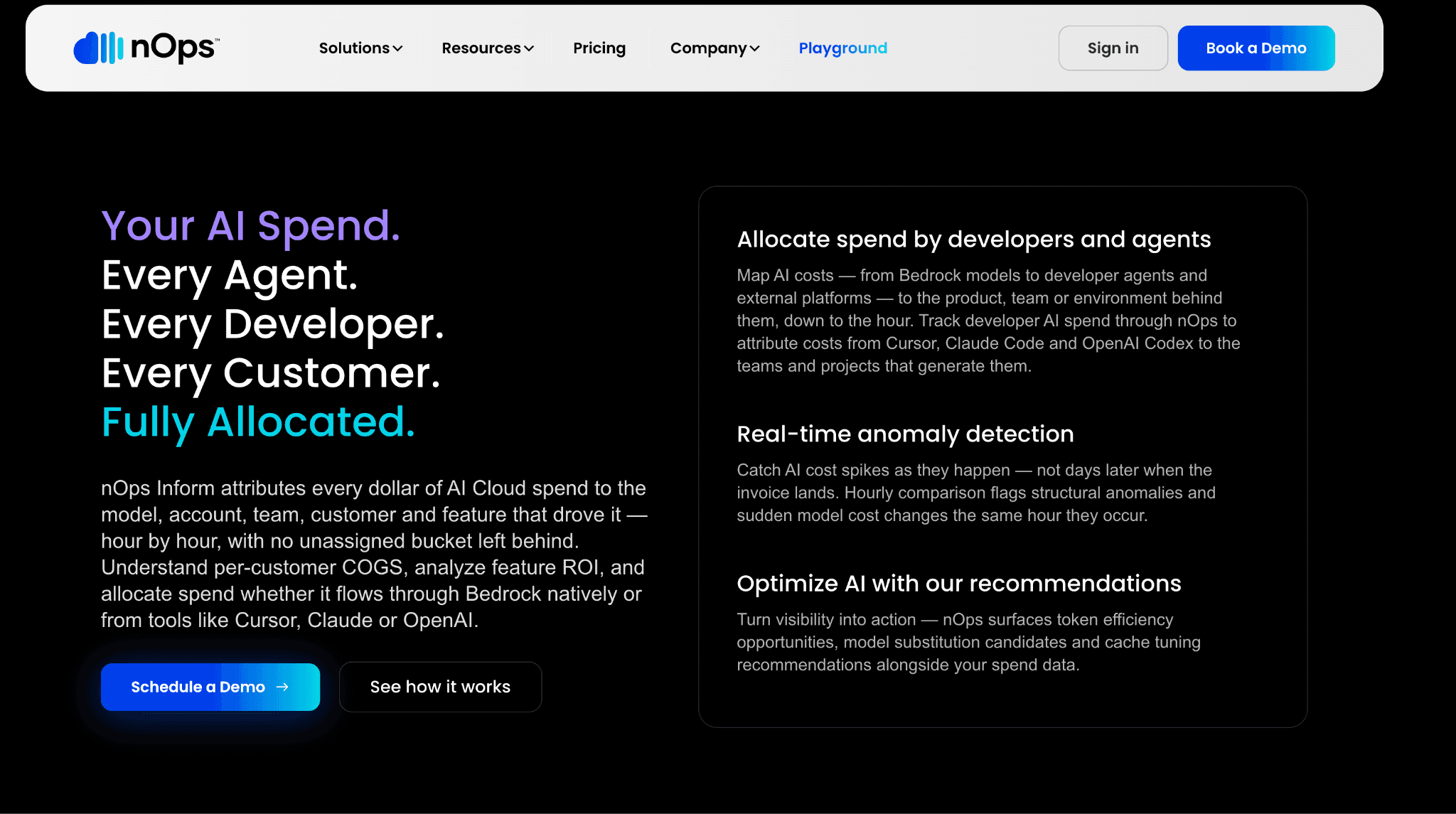
nOps is an AWS cost platform whose strongest lever is automated Savings Plans and commitment management. It optimizes the underlying AWS spend that sits beneath your Bedrock workloads, from EC2 to containers and automates the purchasing decisions teams often defer.
It holds a 4.8 out of 5 rating on G2 and ranks highly in the cloud cost management category, so the automation quality is well regarded.
The limitation matters for this list. nOps has no Bedrock token-level feature, so it optimizes the AWS bill around Bedrock rather than the model spend itself.
Treat it as the commitment-automation entry, useful when Provisioned Throughput and supporting infrastructure are a large part of the bill. Pair it with a token-aware layer from the wider aws cost optimization tools set.
Key features:
Automated Savings Plans, Reserved Instance and commitment purchasing.
Rightsizing recommendations for AWS compute.
Idle and waste detection across resources.
Scheduling automation for non-production workloads.
Cost visibility dashboards and anomaly detection.
Container and EKS cost insights.
Risk-free, savings-share commitment model.
Pricing: nOps is priced as a percentage of the realized savings it delivers, so you pay only when savings land, with no lock-in.
Pros:
Strong automation on the biggest AWS commitment lever, with savings-based pricing.
High third-party rating and a large review base.
Cons:
No Bedrock token attribution at all, so it optimizes the AWS bill around Bedrock rather than the model spend.
Amazon Bedrock Cost Optimization Practices Beyond Tools
Tools surface the spend, but a few Bedrock-native levers cut the bill at the source. These practices pair with any platform on the list and AWS states the savings for each on its own pages.
Turn on prompt caching for repeated prefixes: Bedrock prompt caching can reduce cost by up to 90% and latency by up to 85% on supported models by reusing a cached prompt prefix instead of recomputing it every call.
Route lighter tasks to cheaper models: Intelligent Prompt Routing sends each request to the most cost-effective model in a family that still meets your accuracy bar, which AWS says can cut cost by up to 30%. Model Distillation goes further, with a student model AWS reports as up to 75% cheaper.
Batch anything that can wait: Submitting asynchronous prompts through batch inference runs at up to 50% off On-Demand rates, which suits evaluations, back-office summarization and overnight jobs.
Match capacity mode to the workload: Reserve Provisioned Throughput only for steady high-volume paths, keep spiky traffic On-Demand and use the Flex service tier for latency-tolerant work.
How to Choose the Right Amazon Bedrock Cost Optimization Tool
You need to know which team or product owns the spend: start with Amnic, then layer the ai token management tools you need on top.
You have not turned on the basics yet: enable AWS application inference profiles, cost allocation tags and Budgets first.
The token bill is the problem: Portkey at the gateway for caching and routing, or LiteLLM if you prefer to self-host and apply tokenops discipline in code.
You want request-level observability: Helicone for a fast proxy, Langfuse if you also need traces and evaluations.
Finance already standardized on Apptio: Apptio Cloudability to keep one showback model.
The AWS compute under Bedrock is the cost: nOps to automate Savings Plans and commitments.
Common Mistakes When Choosing Amazon Bedrock Cost Optimization Tools
Optimizing before allocating: Teams enable caching and routing without knowing which workload drives the bill, then tune the wrong path. Allocate first with proper finops tools for cost allocation and unit economics so cuts are targeted.
Trusting tags to answer accountability: Cost allocation tags are not retroactive and only aggregate dollars per usage type per day. Read the AWS aws cost allocation tags limits before you rely on them.
Leaving Provisioned Throughput on for spiky traffic: Reserved model units bill by the hour whether or not you send requests, so a commitment sized for a launch wastes money once the spike passes.
Ignoring the infrastructure behind Bedrock: A Knowledge Base runs an OpenSearch Serverless collection that bills continuously and that supporting inference cost often outweighs the tokens on low-traffic apps.
Why Decision Makers Choose Amnic for Amazon Bedrock Cost Management
Amnic wins on accountability, trust and speed to value, the core of any finops for ai practice. It tracks Bedrock token cost natively and allocates it by team, environment and product, so a budget owner sees the cause of a spike instead of a single opaque service line.
Its agentless, read-only integration means finance gets a clean picture in minutes, with no engineering project and no security review of installed agents. That same read-only model extends across providers, so it doubles as one of the gemini cost visibility tools a multi-model team needs.
Customer outcomes back the model. Jiffy.ai cut Kubernetes cluster cost by 50% on Amnic's rightsizing recommendations and LambdaTest reduced network and NAT spend with its recommendation engine.
As Sekhar Prakash, Co-founder of Cloud Engineering and Ops at Jiffy.ai, put it, Amnic helped the team optimize Kubernetes cluster cost by 50% through sharp rightsizing recommendations. With SOC 2, ISO 27001 and GDPR posture and a Forrester PEAK Matrix mention, the numbers hold up in front of a CFO.
Amnic also covers openai api vs bedrock vs vertex ai decisions, so Bedrock spend sits inside your full AI and cloud picture rather than a silo.
See Amazon Bedrock spend allocated, not just billed
Cut token, Provisioned Throughput and infrastructure waste only after you know who owns each line. Amnic tracks Bedrock token cost natively, allocates it by team and product, flags runaway spend early and connects agentlessly in minutes. Request a demo to start.
Frequently Asked Questions
Why is Amazon Bedrock so expensive?
The biggest drivers are per-token charges that scale with every request, Provisioned Throughput that bills reserved capacity by the hour even at zero traffic and Knowledge Bases that run an OpenSearch Serverless collection billing continuously in the background.
How do I track Amazon Bedrock cost per model?
Use CloudWatch InputTokenCount and OutputTokenCount metrics filtered by model, apply application inference profiles with cost allocation tags to attribute spend, or use a tool like Amnic that tracks Bedrock token cost natively per model.
Can I allocate Amazon Bedrock cost by team?
Native application inference profiles attribute cost by application, but only aggregate dollars per usage type per day. A FinOps platform like Amnic allocates Bedrock spend by team, environment and product without relying on perfect tagging.
How much does prompt caching save on Bedrock?
AWS states that prompt caching can reduce cost by up to 90% and latency by up to 85% on supported models, by reusing a cached prompt prefix instead of recomputing it on every request.
Does batch inference reduce Amazon Bedrock cost?
Yes. AWS prices batch inference at up to 50% below On-Demand rates, so asynchronous jobs like evaluations, summarization and overnight processing that tolerate latency cost roughly half as much.
What is the difference between Bedrock cost optimization and cost allocation?
Optimization makes each call cheaper through caching, routing and batch. Allocation answers who owns the spend by tying tokens to a team, product, or customer, which is the accountability step most native tooling stops short of.
Better visibility and management into AI Tokens?
Start with a 30 day trial
Connect leading LLMs
24 hour time to value
Stay ahead of AI Spend

Make AI spend visible, controllable, and accountable.
Gain insights into your AI token costs at a team, customer, business unit and individual user level to measure and manage AI utilization.
Recommended Articles

8 Best Llama Cost Management Tools in 2026
Read More

7 Best Amazon Bedrock Cost Monitoring Tools
Read More

8 Best Gemini Cost Visibility Tools for 2026
Read More

7 Best Multimodal Cost Optimization Tools for 2026
Read More

5 Best Anthropic Cost Allocation Tools for 2026
Read More

8 Best AI Cost Optimization Tools for Startups in 2026
Read More