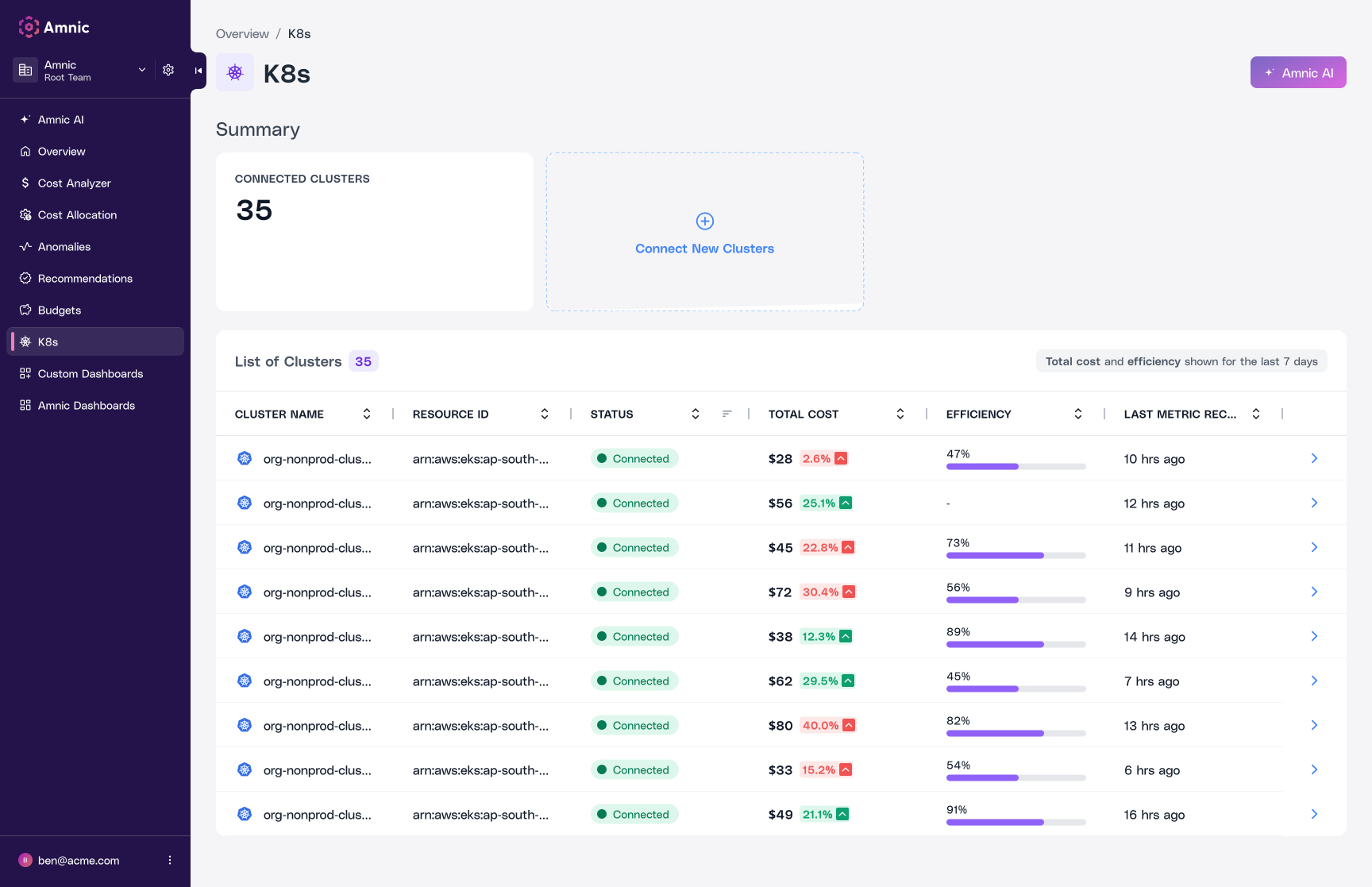
Run highly efficient, cost-effective Kubernetes environments
Get a unified, real-time view of your cluster’s operational health, utilization, and cost performance.
Trusted by








Everything you need to
manage K8s spend
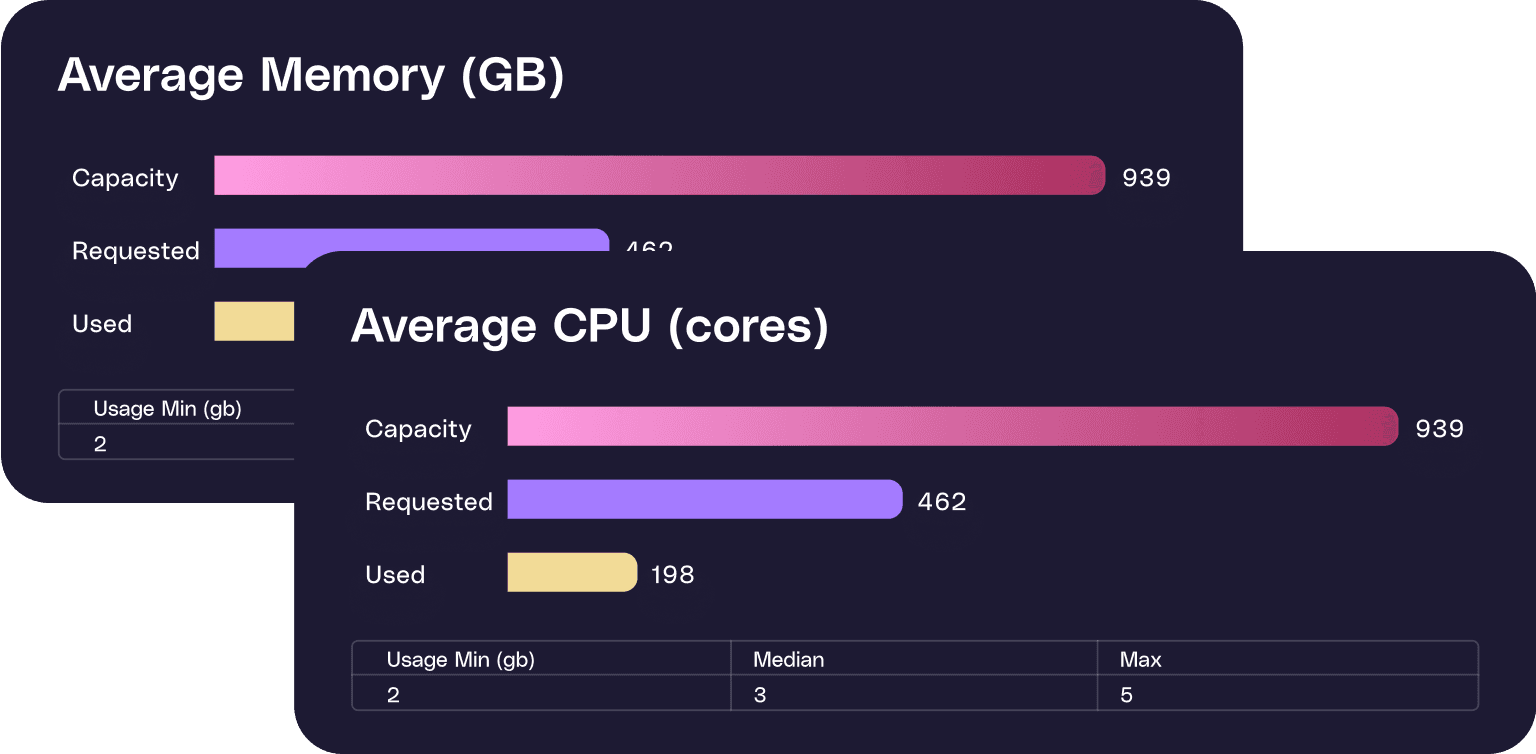
Cluster-Level Utilization Metrics
Manage and optimize compute, network, and memory usage across Kubernetes clusters. Monitor overall capacity, requests, and actual resource usage against memory and CPU utilization requirements for your app or service.
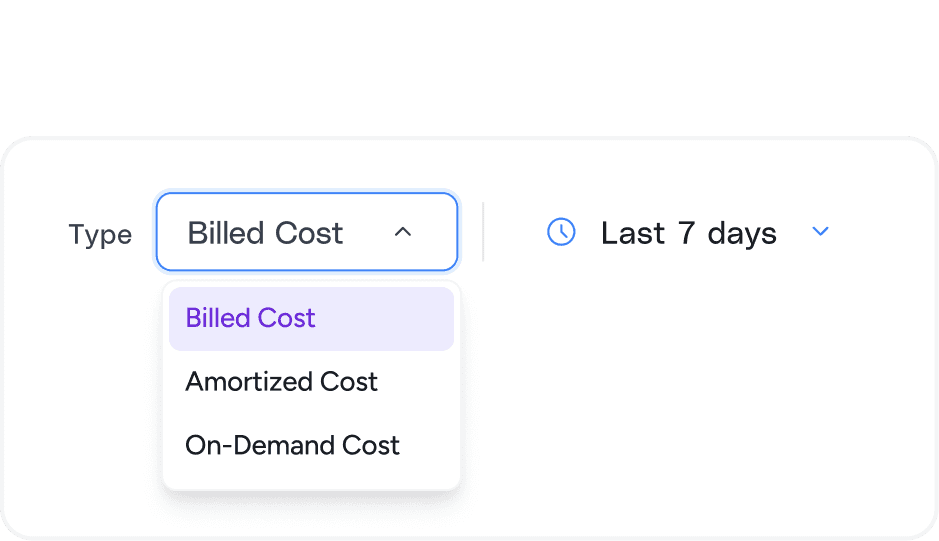
Multiple Cost Perspectives
Switch between Billed, Amortized, and On-Demand cost views to analyze your Kubernetes spend across different pricing models. Reconcile actual charges, evaluate reservation effectiveness, or model what-if scenarios, all from one unified cost dashboard.
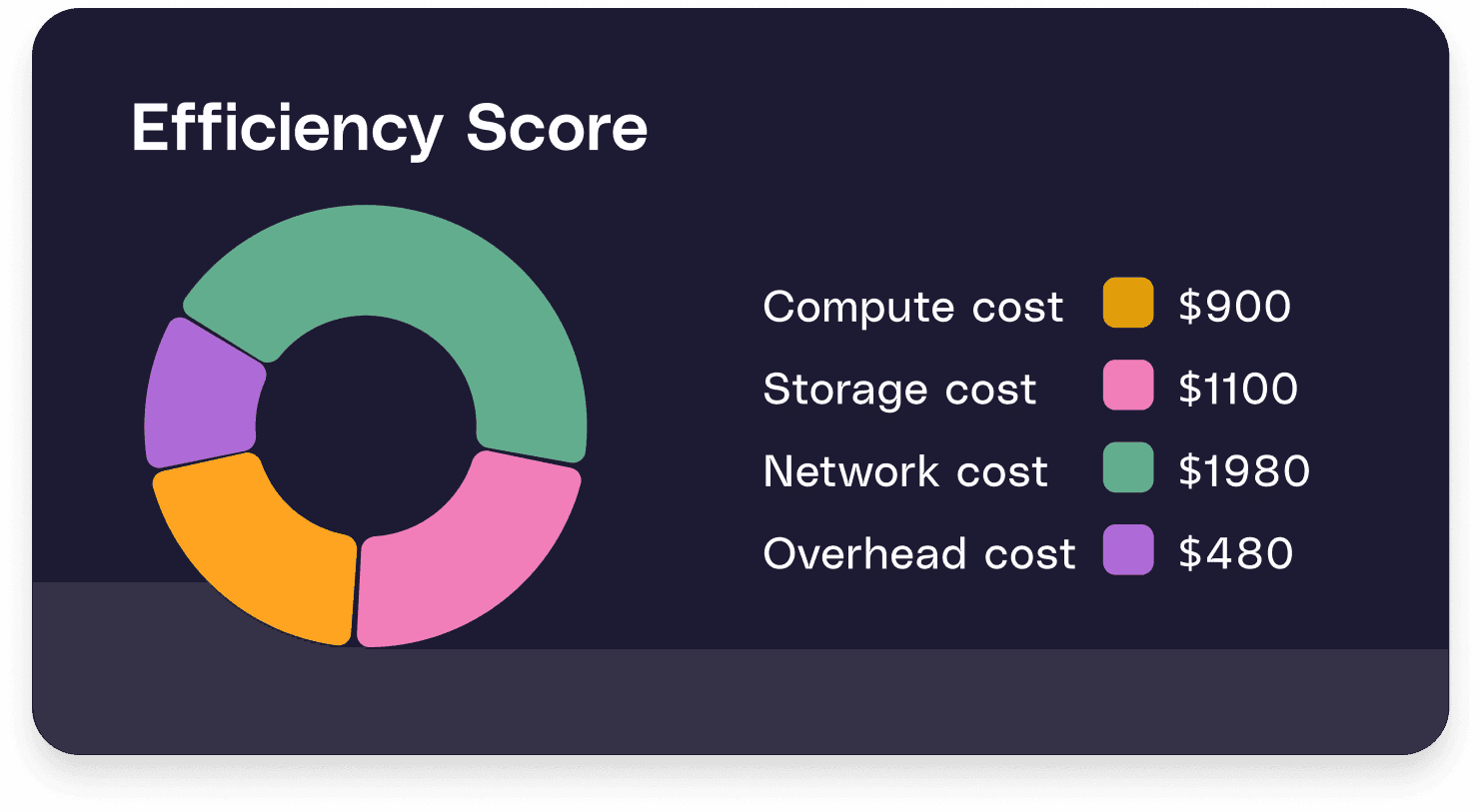
Kubernetes Cost Breakdown
Breakdown costs across nodes, namespaces, workloads, and pods with Amnic’s easy-to-use reporting and visualization capabilities. Split dollars spent in Kubernetes across compute, storage, overhead, and network costs for each individual Node ID.
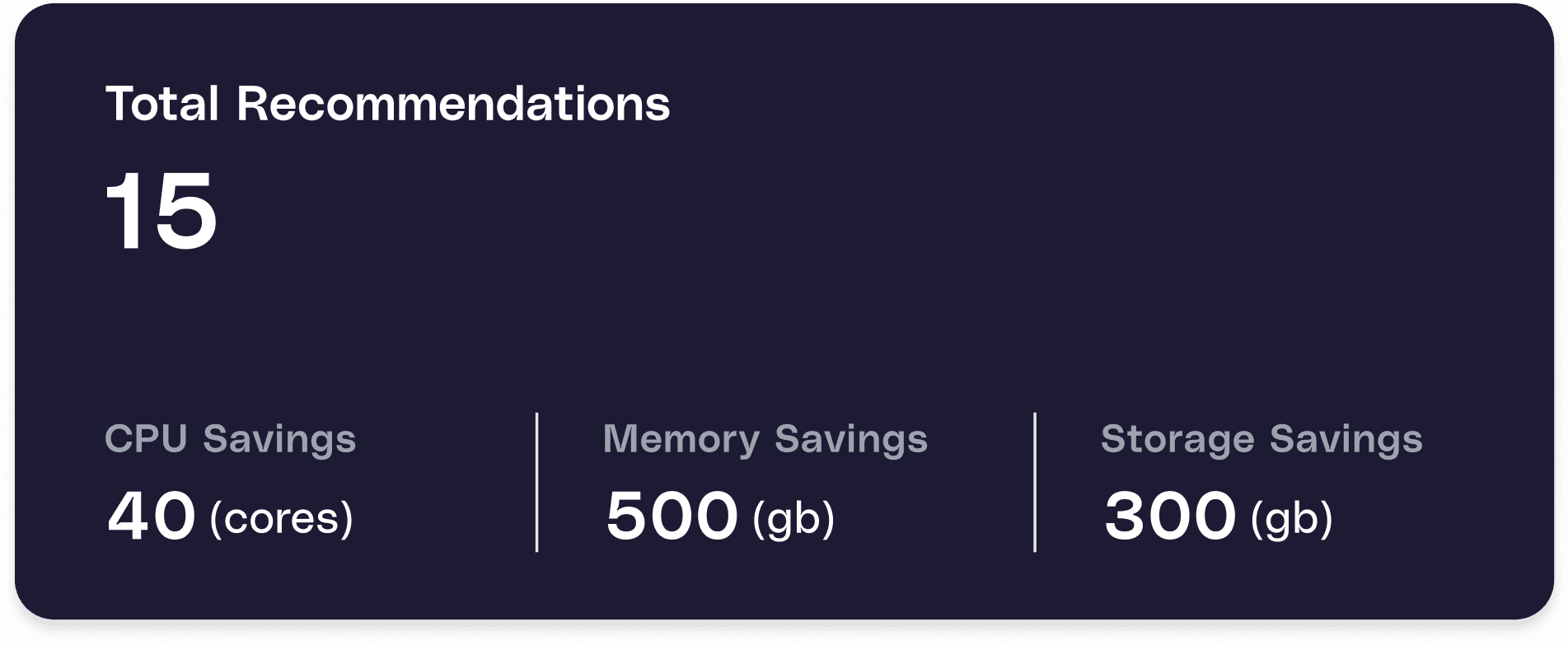
Kubernetes Optimization Recommendations
Amnic’s tailored recommendations look at costs across all managed Kubernetes environments and major cloud providers. Get detailed insights into container rightsizing, PVC rightsizing, and more to improve bin packing efficiency and reduce overall costs.
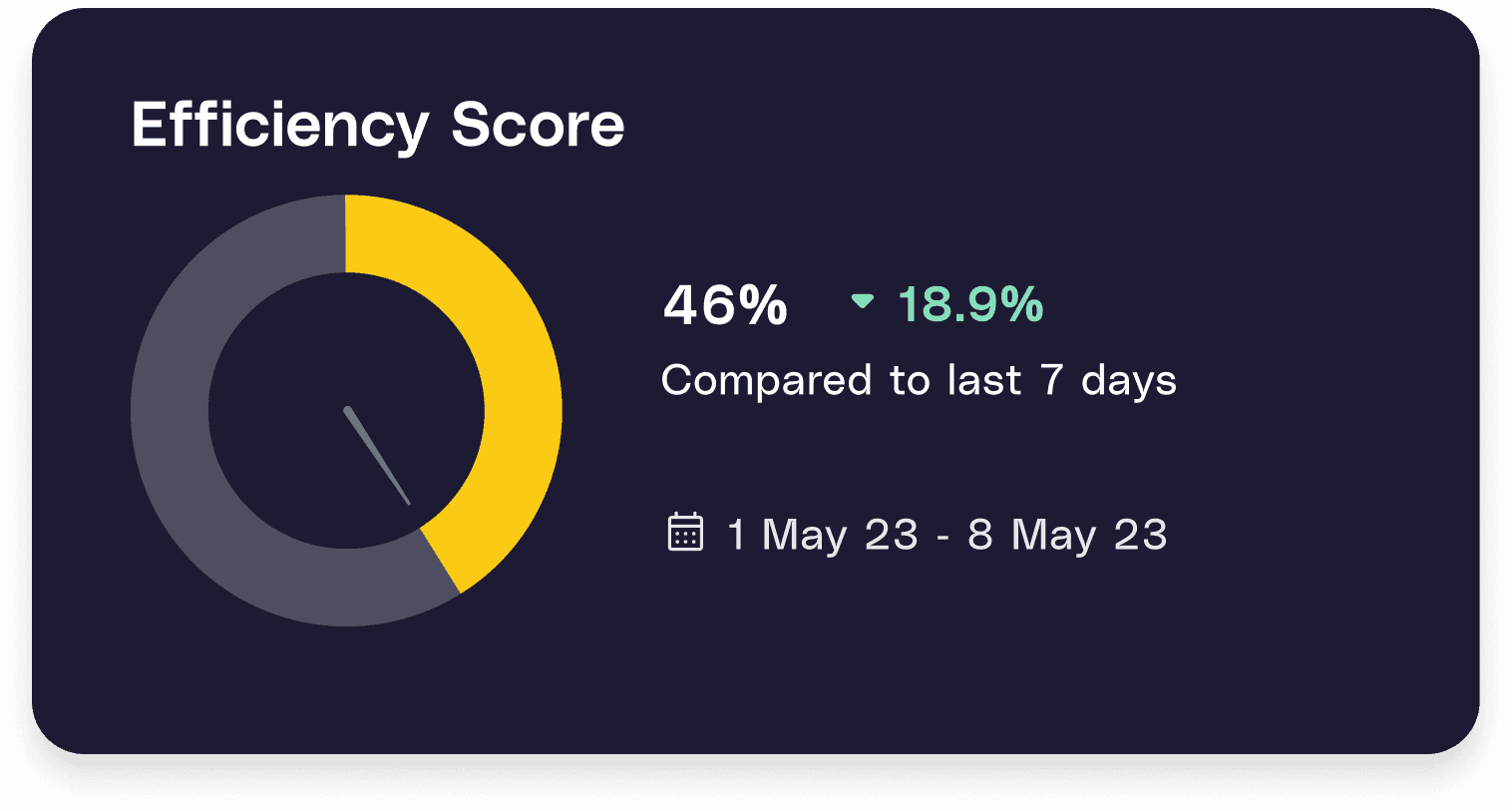
Simplified Visualizations and Reports
Get cost splits, efficiency scores, and telemetry data in a clear visual format, all in one single pane of glass. Quickly take action to rightsize containers and drive more effective cloud infrastructure management for Kubernetes environments.
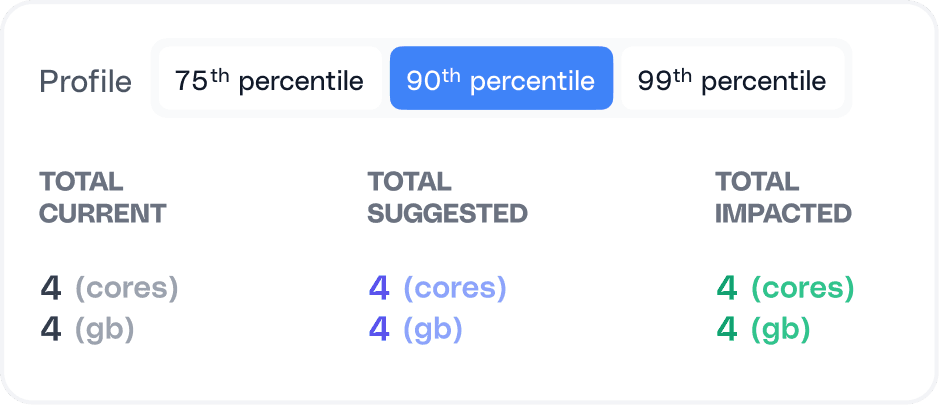
Percentile Profiles for Rightsizing
Amnic lets users optimize Kubernetes clusters by generating tailored recommendations for CPU and memory allocation. With percentile profiles (P99, P90, P75), users can balance cost savings and reliability based on cluster type.
Experience a fully configurable, agentless implementation
Let your team gain complete control of your cloud infrastructure.
Benchmark maturity,close governance gaps,
and drive ROI in under 20 minutes
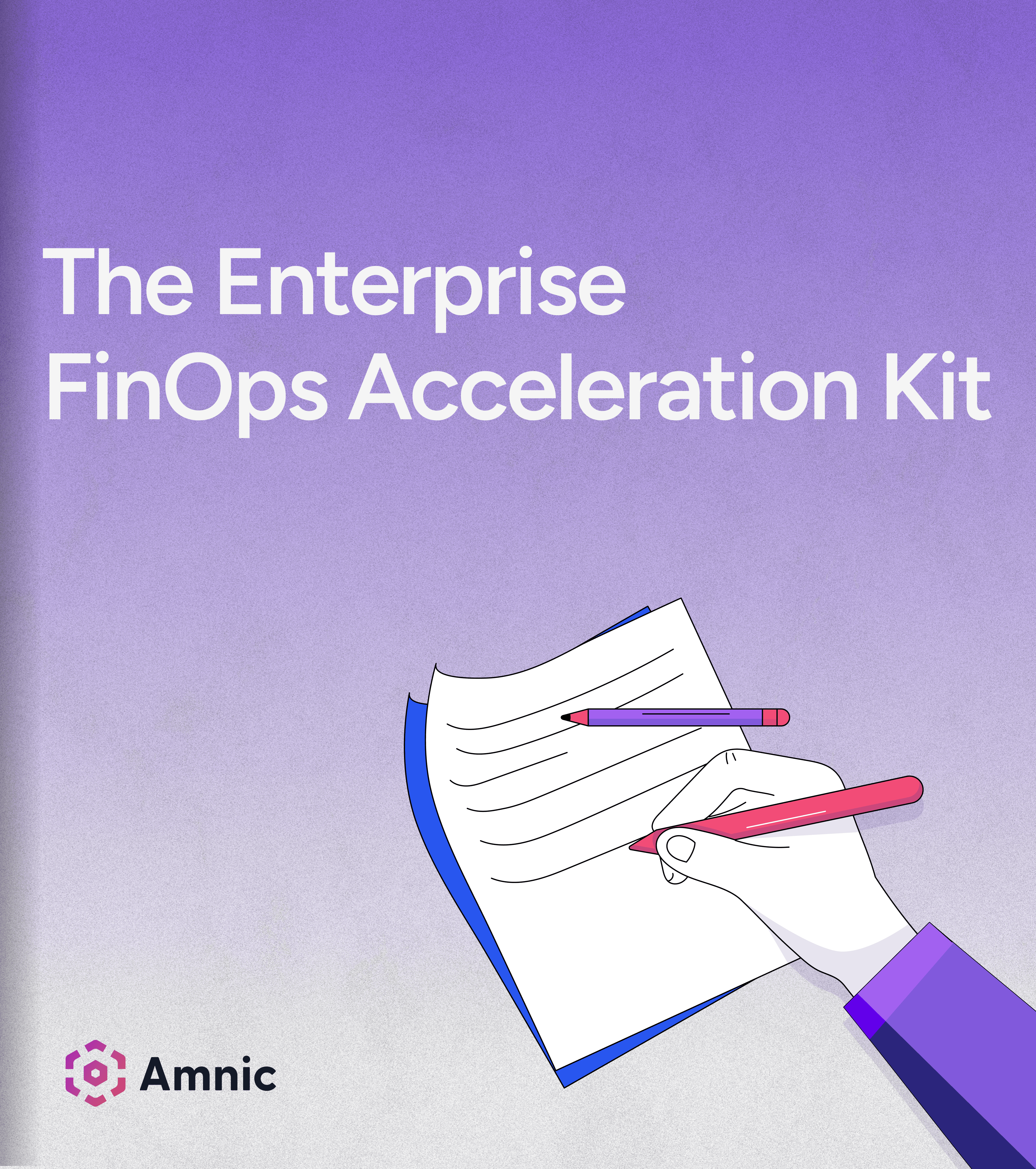
Alerts and Anomalies to Stop Runaway Costs
Amnic detects cloud spend anomalies and deviations to send alerts across platforms and channels such as Slack, MS Teams, email, and more, to notify the right person or team at the right time, helping you course-correct quickly and mitigate runaway costs.
Frequently Asked Questions
1. What is Kubernetes cost management, and why is it important?
Kubernetes cost management is the process of tracking, allocating, and optimizing cloud spend across Kubernetes environments. Since workloads are dynamic and scale automatically, costs can quickly become difficult to track without proper visibility. It’s important because unmanaged Kubernetes environments often lead to overprovisioning, idle resources, and unclear ownership of spend. With platforms like Amnic, teams can gain granular visibility at the cluster, node, and pod level, allocate costs accurately, and take action using data-driven recommendations.
2. Why is Kubernetes cost management so challenging?
Kubernetes environments are highly dynamic, with containers and workloads constantly scaling up and down. This makes it difficult to attribute costs accurately and understand real resource usage. Without detailed visibility across clusters, nodes, and pods, teams often rely on estimates or overprovision resources to avoid performance risks that lead to inefficiencies and overspend.
3. How can I monitor costs in a Kubernetes environment?
Monitoring Kubernetes costs requires visibility across multiple layers, including cluster, node, namespace, workload, and pod. You need to track how resources like compute, memory, storage, and network are being used, and map that usage back to actual costs. With Amnic, teams get a unified view of Kubernetes spend with detailed breakdowns, utilization insights, and visualizations. Combined with alerts and recommendations, this enables continuous monitoring and faster optimization without manual effort.
4. What metrics should I track for effective Kubernetes cost monitoring?
Effective cost monitoring depends on tracking both usage and efficiency metrics. Key metrics include CPU and memory utilization vs. requests, node and pod-level consumption, and cost breakdowns across compute, storage, and network. It’s also important to track inefficiencies like idle resources, overprovisioning, and utilization gaps. Amnic provides these insights in a single view, along with percentile-based profiles (like P95 or P90) to help balance performance and cost.
5. What are the most effective ways to reduce Kubernetes costs?
The most effective strategies include rightsizing containers and nodes, eliminating idle or underutilized resources, and optimizing cluster configurations. Improving cost allocation and continuously monitoring usage also helps teams stay accountable and proactive. Amnic accelerates this process by surfacing inefficiencies, providing actionable recommendations, and enabling teams to take faster, data-backed decisions.
6. What is Kubernetes rightsizing, and why is it important?
Rightsizing involves adjusting CPU and memory allocations to match actual workload requirements. Overprovisioned resources increase costs unnecessarily, while underprovisioning can impact performance. Using percentile-based profiles (like P95 or P90), teams can strike the right balance between reliability and cost efficiency. This ensures resources are allocated optimally without compromising application performance.
K8s cost management & utilization for leading cloud tools